







Search Results for: cooling factor

Luckin partners with Doraemon to launch the Ice Sucking Raw Coconut Latte—how does this co-branded new drink actually taste?
On Monday morning, the first thing many office workers do is head to a Luckin store—not just for a caffeine fix, but to get their hands on the new co-branded drink with the Doraemon movie. This beverage, called "Ice Suck Coconut Latte," adds a cooling factor to the classic Coconut Latte, officially described as a combination of "coconut coffee + intense icy sensation." On the day it launched, social platforms like Xiaohongshu exploded, with netizens using phrases like "a propeller blowing cold air into my mouth" and "my throat was sent to a freezer" to describe that sharp chill shooting straight to the brain. Some see it as a savior on hot days, while others find it like a surprise attack of wind-oil. So, is this co-branded coffee actually good? Is the cooling sensation a gimmick or real skill? This article will start from a hands-on test experience and take you to explore this 22nd-century-style Ice Suck Coconut Latte. [more…]

Shelf Life of Roasted Coffee Beans | What Is the Best Way to Store Coffee Beans? What Factors Affect Coffee Bean Freshness? Is Freezing Coffee Beans a Viable Option?
People nowadays enjoy drinking coffee not only in coffee shops, but more often they want to buy coffee beans and brew a cup carefully at home, savoring it slowly. However, how should the coffee beans or ground coffee you buy be stored so that they don't go bad so quickly? How can you better preserve their fresh flavor? Especially when you've bought some specialty coff... [more…]
Is it normal for Americano to taste sour? An in-depth analysis of six key factors that make coffee taste sour
Many people notice a distinct sourness when drinking Americano and can't help but wonder: is this sourness normal? In fact, sourness in coffee isn't necessarily a bad thing, but if it's unpleasant, it often means something went wrong somewhere. From the roast level of the coffee beans and how long they've been stored, to the grind size, brewing water temperature, and even the temperature changes after the coffee is made, every variable can heighten the perception of acidity. This article breaks down six common causes one by one to help you determine whether the sourness in your cup is a flavor note or a defect. If you're looking for beans with balanced acidity and consistent quality, Front Street Coffee's range of espresso and pour-over beans may offer you a more controllable experience. [more…]
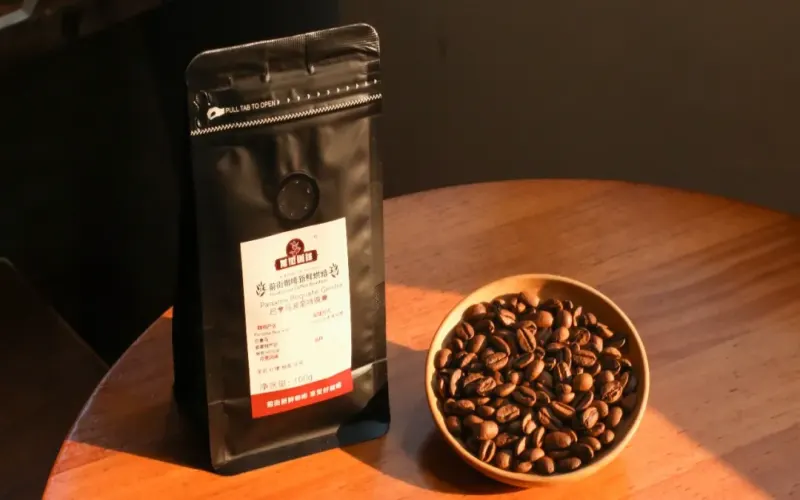
How Long Do Coffee Beans Stay at Their Best After Opening? A Detailed Guide to Pour-Over Bean Shelf Life and Proper Storage Methods
How long can coffee beans last after opening? This is a question many pour-over enthusiasts often ask. Oxygen is the number one enemy of coffee bean freshness—the more it is exposed, the faster the aroma dissipates and the shorter the window of peak flavor becomes. However, oxygen is not the only factor; the humidity, temperature, light exposure, and choice of container in the storage environment are equally critical. This article will break down the reasonable flavor window for coffee beans after opening, compare the pros and cons of different storage methods, and share the thoughtful details of Front Street Coffee's packaging design, helping you preserve the alluring flavor of your coffee to the greatest extent possible. [more…]

The Complete Guide to Coffee Bean Freshness: Analysis of the Four Major External Factors Affecting Flavor and the Best Storage Methods
Many coffee lovers are in the habit of buying coffee beans and brewing at home, but how to store them properly to slow down deterioration and preserve the alluring flavors of specialty coffee is a body of knowledge that is easily overlooked. This article, from Front Street's perspective, systematically examines how the four external factors—direct light, oxygen, moisture, and high temperature—affect coffee freshness, and offers corresponding protective strategies for each. We will also discuss the key points for choosing airtight containers, recommendations for storage locations, and common misconceptions about storing coffee in the refrigerator, and finally answer the key question of how long coffee beans and ground coffee each stay fresh, helping you enjoy a truly good cup within its optimal flavor window. [more…]
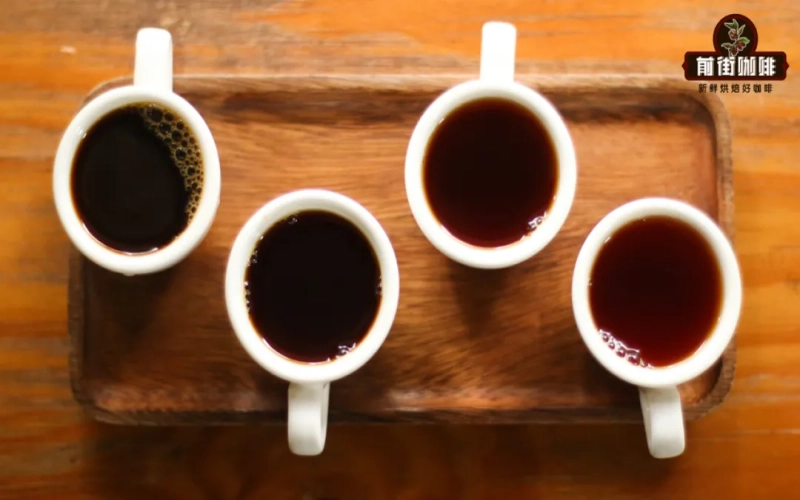
Why Does Hot Coffee Taste Different After It Cools? Analyzing the Differences Between Hot and Cold Coffee from the Perspectives of Taste Perception and Aroma Loss
Many people are used to being told that coffee should be drunk while it is hot, because once it cools, the flavor seems to deteriorate. But what exactly happens to coffee after it cools? How does temperature affect our perception of bitterness, acidity, and sweetness? What roles do aroma loss and the congealing of oils play? Starting from a tasting case of Front Street Hamashu, this article explains the real reasons why the taste of hot coffee changes as it cools, and clarifies that not all coffee tastes bad when it goes cold. If you also want to improve your tasting ability, the article also recommends several Front Street single-origin beans with highly distinctive flavors, helping you experience the full character of coffee at different temperatures. [more…]
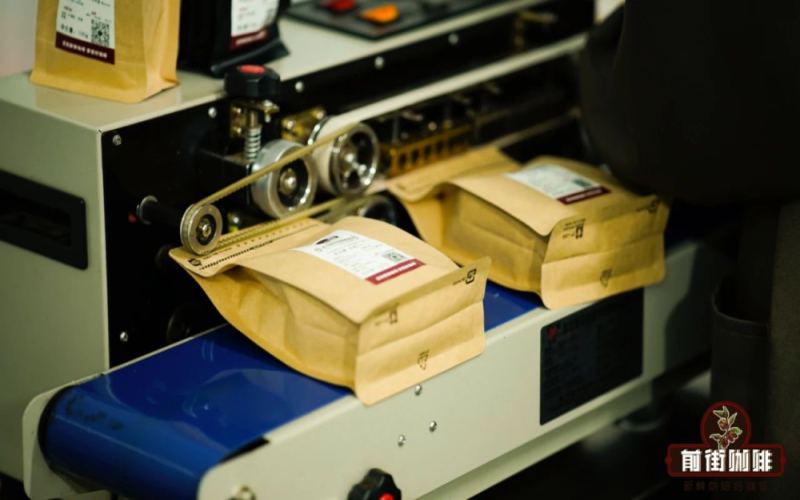
Coffee Grounds Storage | What Factors Affect the Freshness of Roasted Coffee Beans? How Long Is the Shelf Life of Freshly Ground Coffee? Do Coffee Beans Still Need to Be Rested After Grinding?
Recently, a friend asked Front Street Coffee: "Why should the air valve be sealed after coffee beans are ground into powder? Wouldn't that prevent the carbon dioxide inside the package from escaping?" The meaning of the exhaust valve on coffee packaging. Front Street Coffee immediately seals and packages the coffee beans after roasting and cooling, which can minimize the loss of coffee bean flavor. [more…]
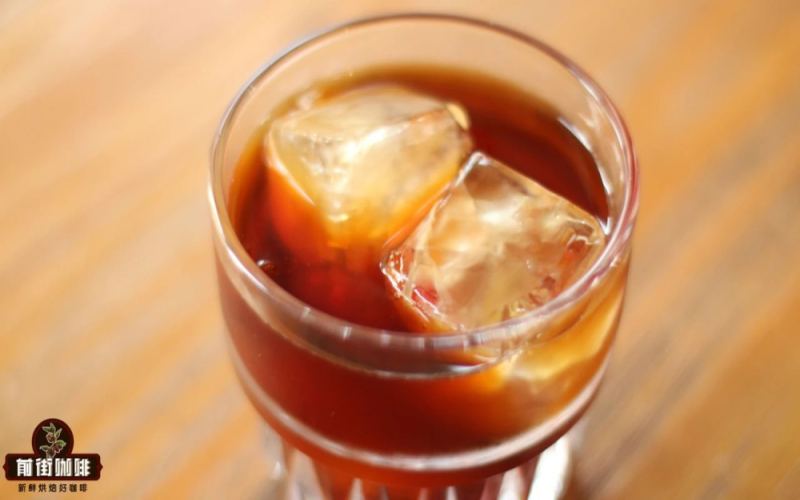
How to Make AeroPress Cold Brew Iced Coffee? Complete Operating Tips and Parameters from Bean Selection to Extraction
On a hot summer day, a glass of iced coffee always brings coolness and comfort. Many coffee lovers have been asking Front Street Coffee how to make a cup of excellent iced coffee at home with an AeroPress. In fact, many factors determine the quality of iced coffee, including the freshness of the beans, the coarseness of the grind, the control of extraction time, and so on. This time, Front Street has chosen a washed Yirgacheffe and, combined with the extraction characteristics of the AeroPress, will share a complete set of ideas and procedures for making iced coffee. Washed Yirgacheffe itself has delicate floral notes, a clean mouthfeel, and bright acidity. After being made into iced coffee with an AeroPress, the acidity becomes even more refined, the floral and fruity aromas are preserved, and a rich juicy quality is added, making it very suitable for summer drinking. [more…]
Is Tieguanyin a type of oolong tea? Where is its authentic place of origin? A full guide to brewing techniques and caffeine content
Tieguanyin is one of China's most renowned oolong teas, named after the Buddhist Bodhisattva Guanyin, and is mainly produced in the cool, high-altitude mountainous regions of Fujian. Its dry leaves are rolled into balls; once brewed, the leaves unfurl and release a floral, orchid-like aroma, while the liquor turns golden and slightly sweet. This article will explore Tieguanyin from multiple angles—its classification, authentic places of origin, caffeine content and the factors affecting it, and brewing guidelines—to help coffee and tea enthusiasts gain a comprehensive understanding of this classic oolong. The article also covers techniques for multiple infusions, the gongfu tea tradition, and product recommendations from the Front Street Coffee brand, so you can easily brew a delicious cup of Tieguanyin. [more…]
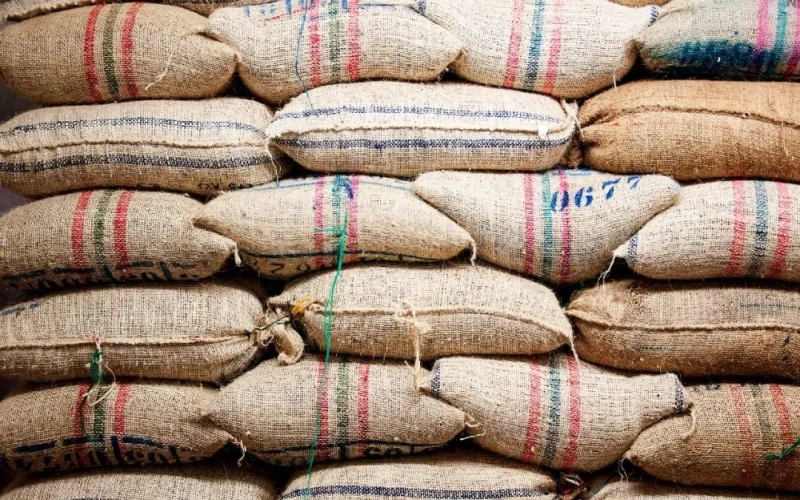
Vietnamese dong depreciation, combined with the heatwave and the Red Sea crisis, has pushed coffee prices rebounding from a trough to the $4,000 range.
In late April, Robusta coffee futures surged to a historic high of US$4,339 per tonne, dragging Arabica futures up along with them. Entering May, Brazil and Vietnam successively released their April export reports, showing growth in both production and export volumes. ICE coffee inventories briefly eased market anxiety, and the enthusiasm for chasing futures buys cooled somewhat. However, after tropical agricultural products fell by nearly 14% overall, purchase prices in Vietnam's central growing regions quickly rebounded to 96 million to 100 million Vietnamese dong per tonne after dropping to 90 million dong per tonne. The interplay of multiple factors—drought, competition from crops such as durian, the continued depreciation of the Vietnamese dong, and rising freight rates on the Red Sea route—makes a rebound in coffee bean prices a highly probable event. Front Street Coffee will continue to monitor the deeper logic behind this round of volatility. [more…]
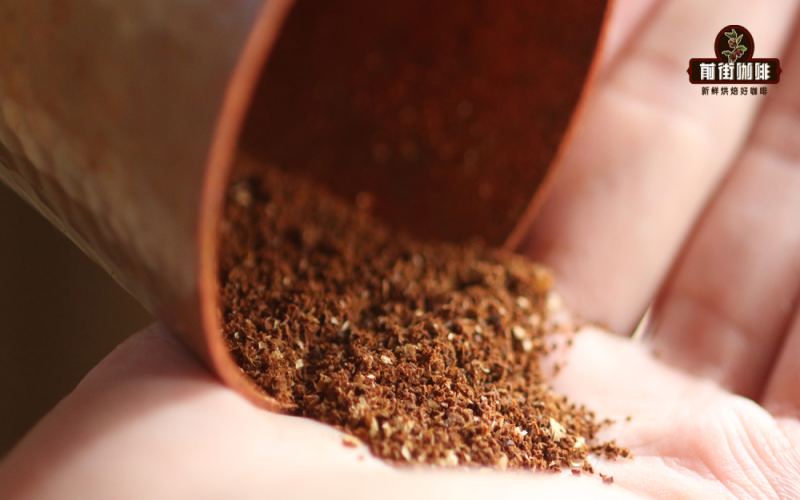
The Secret to Keeping Coffee Beans Fresh After Opening: A Full Breakdown of the Three Major Spoilage Factors and the Flavor Timeline After Grinding
How should coffee beans be stored after opening to preserve their aroma? Starting from the gas release patterns after roasting, this article explains in detail the principles behind the formation of the optimal flavor period, and analyzes one by one the mechanisms by which the three major flavor killers—oxygen, moisture, and high temperature—take effect. At the same time, through comparative experiments, Front Street Coffee verified the flavor decline trajectory of coffee at different time points after being ground into powder, and provides practical suggestions such as portioned storage and vacuum storage, helping coffee enthusiasts extend the freshness and flavor performance of coffee as much as possible in daily brewing. [more…]
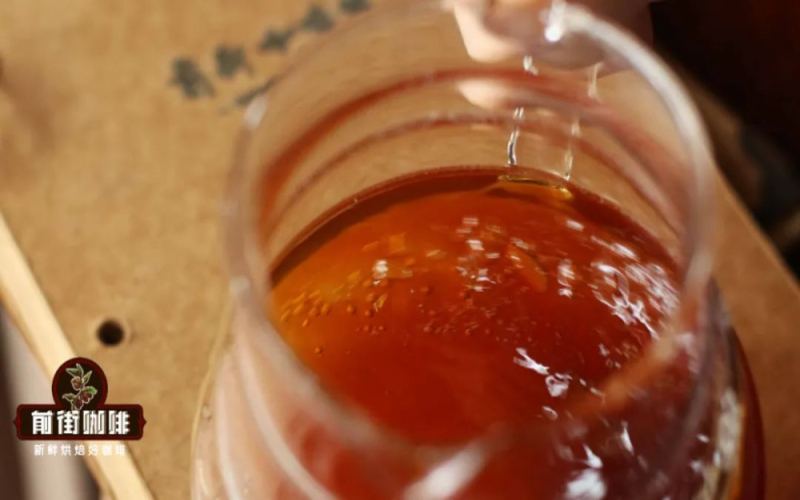
Can cooled coffee be reheated? Analyzing the impact of temperature drop on flavor and practical remedies
After a freshly brewed cup of coffee sits for a while, its aroma gradually dissipates, and its mouthfeel changes noticeably. Dark roasts become less smooth, medium-light roasts develop a more pronounced sourness and astringency, and a bitter, muddled finish may even appear. Why does cooling rob coffee of its appeal? If you reheat cold coffee or chill it with ice, can it regain its original flavor performance? This article analyzes the issue from two perspectives—chemical changes and sensory perception—and, through a comparative experiment between Front Street Coffee Kafa Forest and Front Street Coffee Yirgacheffe, explores practical remedies for cooled coffee. [more…]
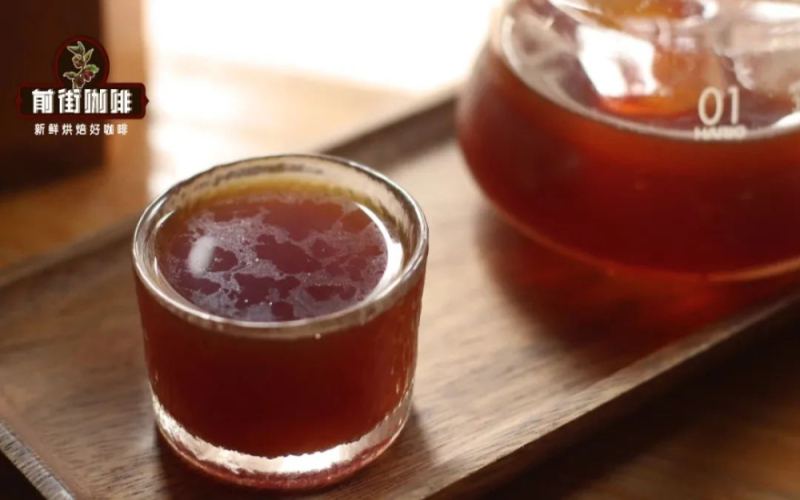
What exactly is the oil that appears when pour-over, cold brew, and siphon coffee cool down? Analyzing the source of the oily sheen on coffee's surface from the phenomenon of condensation
Many coffee enthusiasts notice, when tasting pour-over, cold brew, or siphon coffee, that a faint layer of "oil" surfaces as the coffee cools. This is not a sign of spoilage, nor an external impurity, but rather an oily component that coffee itself contains—one that only becomes visible to the naked eye under specific conditions. To understand this phenomenon, we need to start with the composition of Crema, that golden foam atop espresso—it is formed by coffee bean oils wrapping around carbon dioxide. And the key driver that turns oils from "invisible" to "visible" is condensation. This article explains the principle of condensation and how differences in the performance of filtration devices affect the degree of oil seepage, helping readers make sense of this sheen of oil that emerges after cooling. [more…]

Why does pour-over coffee become sour and astringent after cooling? Analyzing three reasons for flavor changes and the ideal drinking temperature
A freshly brewed pour-over coffee is full of aroma and smooth on the palate, but after sitting for half an hour it turns sour, astringent, and muddled—what's going on? In fact, coffee naturally presents different flavors at different temperatures, and during tasting it is often divided into three stages: hot, medium, and cool. A good cup of coffee can usually withstand all three temperature stages, but once it has fully cooled, the flavor goes beyond the normal tasting range. From Front Street's perspective, this article breaks down the root causes of coffee turning sour and developing astringent, muddled notes after cooling—including differences in how human senses perceive sourness, sweetness, and bitterness, the impact of aroma volatilization, and the three key mechanisms of oil oxidation, pigment oxidative polymerization, and condensation—and tells you the most suitable temperature for drinking coffee, helping you better capture the best flavor of every cup. [more…]
The Truth About Pour-Over Coffee Water Temperature: Why a Setting of 92°C Is Actually Too Low When It Touches the Coffee Grounds? Pouring Techniques and Adjustment Methods
Many coffee enthusiasts set the water temperature at 92°C when brewing, yet often run into under-extraction. The reason is that as hot water is poured from the kettle and travels to the coffee grounds, heat is constantly lost, so the actual temperature is often lower than the set value. This article will break down the major causes of water temperature loss, including the effects of the kettle neck, air, and dripper material, and offer practical countermeasures such as preheating equipment, lowering the pouring height, and adjusting the water temperature to help you brew a good cup consistently in different environments. The article also uses Front Street Granja Geisha as an example to explain how to flexibly adjust parameters according to ambient temperature, making extraction more reliable. [more…]
The Complete Guide to Coffee Bean Freshness: A Practical Guide from Causes of Staleness to Optimal Storage Methods
Many people buy coffee beans to brew at home, yet often overlook the impact of storage methods on flavor. Once coffee beans are opened, light, oxygen, moisture, and high temperatures all accelerate their aging, leading to loss of aroma and even off-flavors. This article will start with the four major external factors affecting coffee freshness, analyze their mechanisms of action one by one, and provide practical storage recommendations. At the same time, we will also answer common questions such as whether coffee can be put in the refrigerator and how long coffee beans can stay fresh, helping you enjoy a truly fresh cup of coffee within its optimal flavor period. Whether you are a beginner just starting out or an enthusiast with some experience, this basic knowledge about storage is worth understanding. [more…]
The Optimal Drinking Window for Pour-Over Coffee: An Analysis of Thermos Storage Duration and Why Flavor Deteriorates After Cooling
Freshly brewed hot coffee is rich in aroma and smooth in taste, but as the temperature drops, the flavor gradually becomes flat and even harsh. This is due not only to the effect of temperature on taste bud perception, but also to the continuous loss of volatile flavor compounds in the coffee. So, how long is it best to finish a pour-over coffee? And how much longer can a thermos extend the "enjoyable window"? Front Street Coffee conducted a real-world test using a thermos that keeps coffee hot for 12 hours, preheating all contact vessels in advance to faithfully reproduce actual performance. This article will break down the reasons why coffee flavor deteriorates after cooling and provide practical reference for thermos storage. [more…]
Can You Reheat Coffee After It's Gone Cold? A Real-World Test of Flavor Changes When Pour-Over Is Left to Cool and Then Reheated
A cup of pour-over coffee undergoes noticeable flavor changes as it goes from hot to cold—falling temperatures weaken the perception of sweetness, make acidity and bitterness more prominent, and allow aromas to keep evaporating. So can reheating cold coffee restore it to a pleasant-tasting state? Front Street conducted a comparative experiment with two beans: one is a Gold Label Geisha from Gesha Village, and the other is a Guatemalan Huehuetenango. The results showed that reheating can indeed alleviate the problem of coffee being too acidic, but whether it can become better-tasting depends on the quality of the beans themselves. This article fully documents the experimental process and the flavor performance at each temperature point, providing a reference for coffee enthusiasts. [more…]
AeroPress Iced Coffee Brewing Guide: Bean Selection and Extraction Parameters Explained
In the heat of midsummer, iced coffee becomes the daily go-to for many coffee lovers. Making a satisfying AeroPress iced coffee actually involves quite a few factors—the freshness of the coffee beans, nailing the grind size, and controlling the extraction time; every step affects the final flavor expression. This article uses Front Street washed Yirgacheffe as an example, starting from the logic of bean selection, to break down in detail the AeroPress iced coffee brewing process and core parameters, including grind size, coffee-to-water ratio, water temperature, and operating steps, helping you reliably recreate a cup of iced coffee rich with floral aromas and abundant fruity character at home. [more…]
Three Major Causes of Coffee Ground Quality Decline and Practical Storage Tips to Extend Freshness
The freshness of ground coffee directly determines the quality of the flavor in your cup. Starting from the gas release patterns of coffee beans after roasting, this article provides a detailed analysis of how the three major factors—oxygen, moisture, and high temperature—accelerate the deterioration of ground coffee quality, and shares Front Street Coffee's storage recommendations. At the same time, through Front Street's comparative experiments and day-by-day flavor tests of Yirgacheffe, it reveals the timeline of aroma loss after coffee is ground into powder, helping you retain as much of coffee's essential aroma as possible in your daily brewing. [more…]